
INTRODUCTION
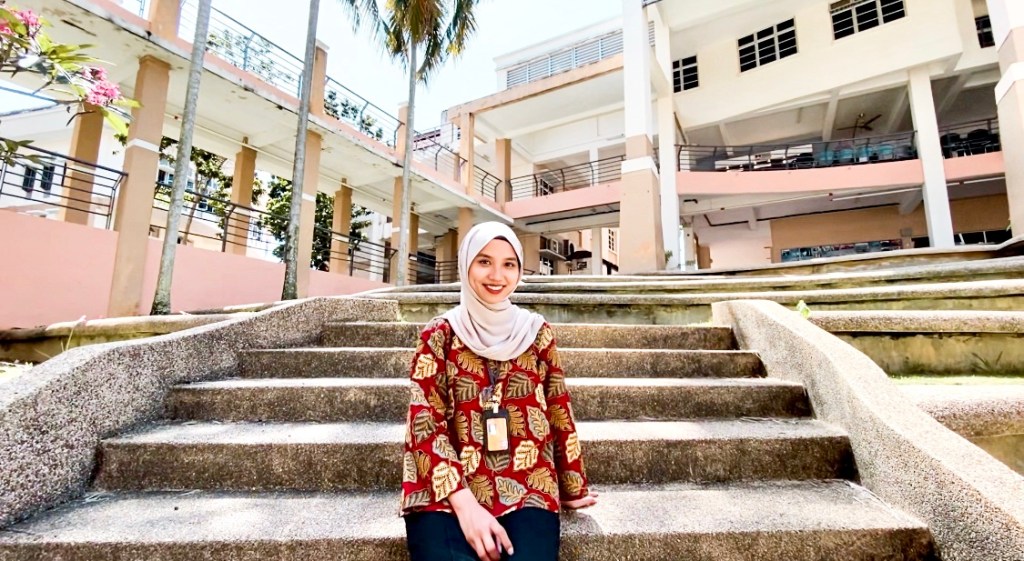
Assalamualaikum, Selamat Sejahtera and Salam UiTM Dihatiku! 🙂
My name is Anisah Binti Hishamuddin and I am a Mass communication And Media Studies (MC110) student who currently study at UiTM Melaka, Kampus Alor Gajah. The main reason I created this e-portfolio is to introduce to all the students about UED102 – Study Skills. What is UED102? Let’s find out!
CONTENT OF UED102 (STUDY SKILLS) :-
- Learning style inventory
- Goal statements
- Fixed-Commitment calendar
- Prioritized to-do list
- Memory strategies (Activity 4.1:Van Berlin, 2009,pg.90)
- Reading text (Figure 12.3:Van Berlin, 2009,pg.309)
- Note-taking strategies (Activity 5-1:Van Berlin, 2009,pg.309)
- Note taking exercise using the Cornell method
- GPA worksheet
- Getting to know the campus
TOPIC 1 : GET READY TO LEARN
Making The Transition (From School To University)
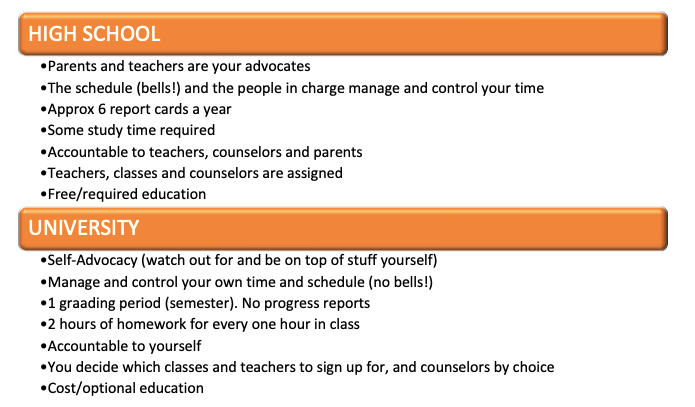
Making the move from being in a school/college to university is not an easy task. There is a lot of new expectations to meet, from how to manage your time independently, how to make the most of new teaching styles like seminars or labs, and make necessary lifestyle adjustments for them to feel at home in the new surroundings. So, it’s important that you understand the differences! Now that you are here, let’s begin shall we? 😉
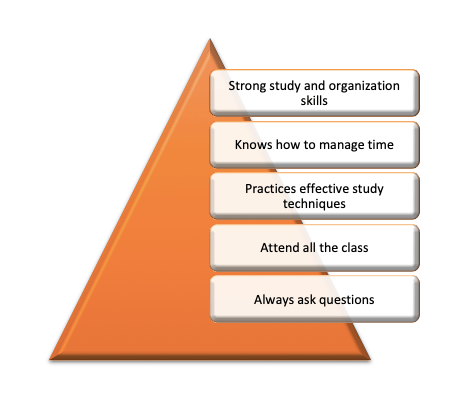
Characteristics Of Successful Students
Learning Styles
The VAK System
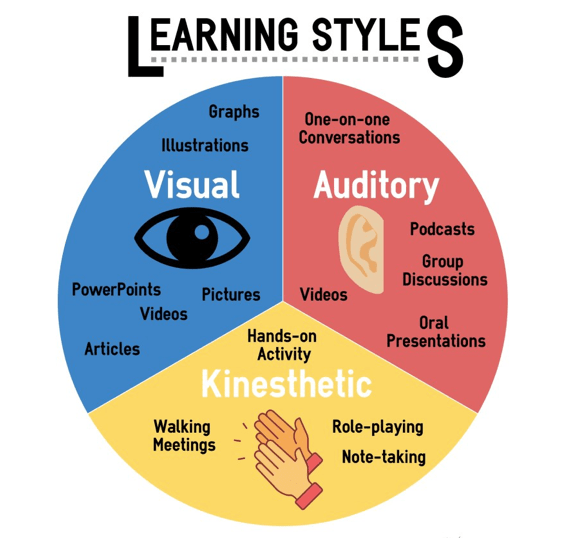
A widely accepted approach to looking at learning styles is the VAK system that bases one’s learning preferences on the three main sensory receivers. In the VAK system, learning styles include:
- Visual – Visual learners prefer to see or observe things, such as pictures, photographs, diagrams, demonstrations, displays, handouts, films, flip-chart, etc.
- Auditory – Auditory learners prefer to learn by listening – to the spoken word (either themselves or from others) or from sounds and noises.
- Kinesthetic (movement) – Kinesthetic learners prefer physical experience – touching, feeling, holding, doing, and practical hands-on experiences.
My Learning Style
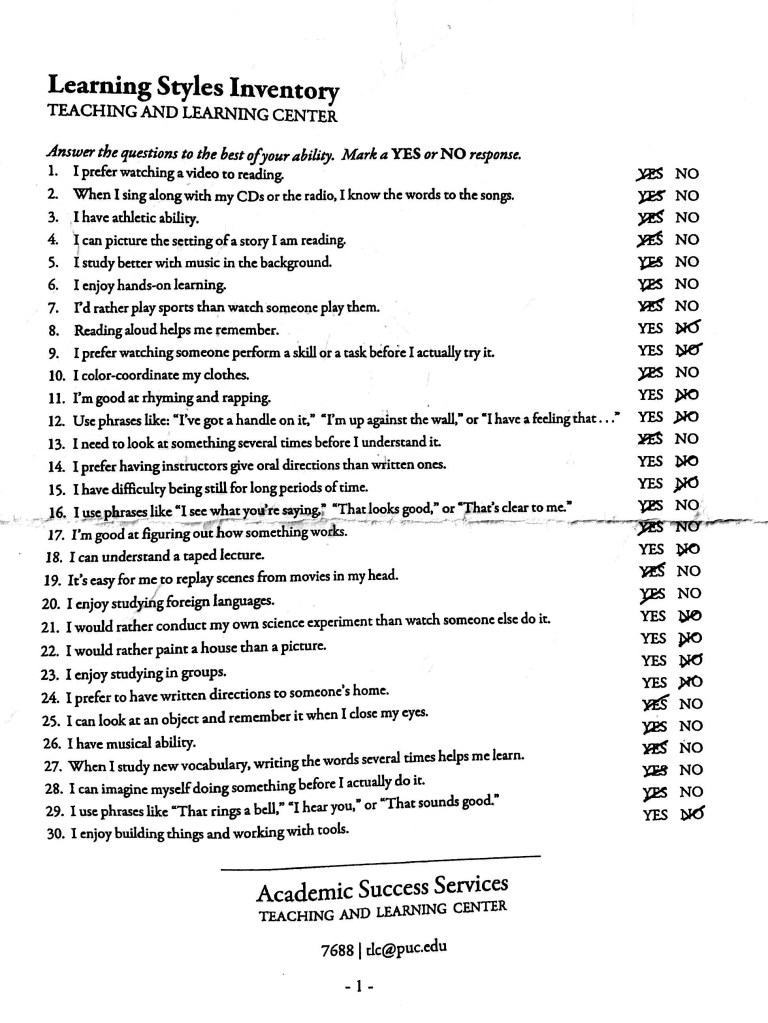
Based on the Learning Styles Inventory exercise above, I have achieved the highest score in Visual Style Learning. Followed by Auditory and Kinesthetic. I am a visual learner who needs to see information. I have a visualization skills and can remember objects, shapes, and pictures. I learn something by reading, and by watching films, videos, and demonstrations. I also can see pictures in my mind easily.
TOPIC 2 : GOAL SETTING
What Are Goals? S-M-A-R-T
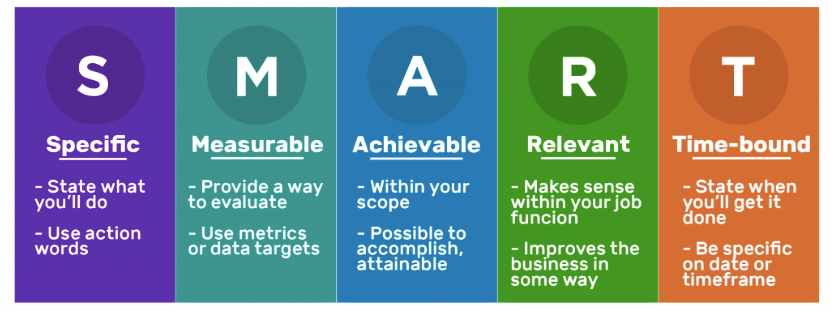
✔Goals are well-defined plans aimed at achieving a specific result.
✔Goals are road maps for achieving what you want in life.
✔Goals represent a course of action you intend to pursue.
✔Goals reflect your values and your priorities.
Characteristic Of Goals :-
- Clarify Intention – The more clear you are about what you want and intend to accomplish the better.
- Focus Attention – If you want to make sure something happens you must focus and pay attention on it.
- Remove Obligation – Too many goals become a burden because people feel like they have an obligation to do them. Procrastination come from Obligation!
- Generate Positive Energy – Good goals lead to excitement, motivation, and a deep desire to do it.
My Goals :-
a) My Academic Goals
- Improve my soft skills
- Achieve 3.5 and above (Dean List) for every semester
- Complete all the assignments given by lecturers
b) My Personal Goals
- I want to have a stable job with high salary
- I want to travel the world with my family
- Perform my very first Hajj and Umrah
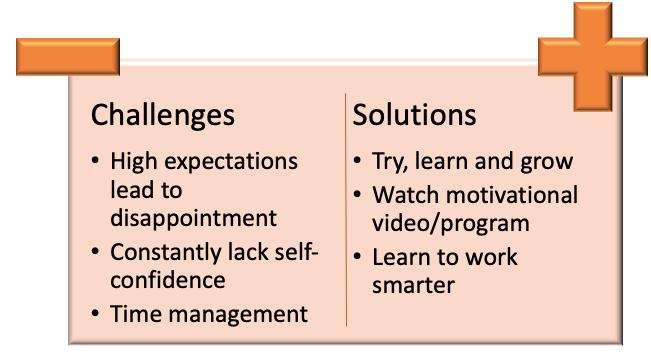
My Challenges (negative sign) My Solutions (positive sign)
TOPIC 3 : TIME MANAGEMENT
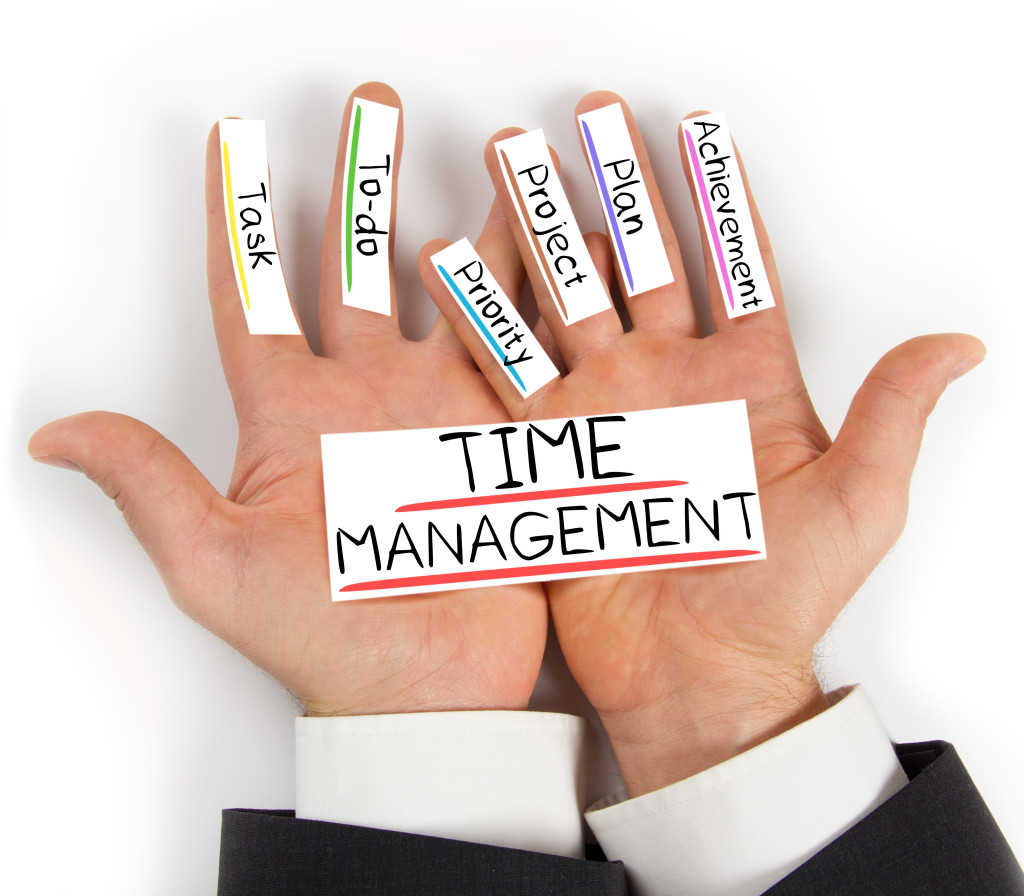
What is Time Management? Time management refers to the way that you organize and plan for how long you spend on specific activities.
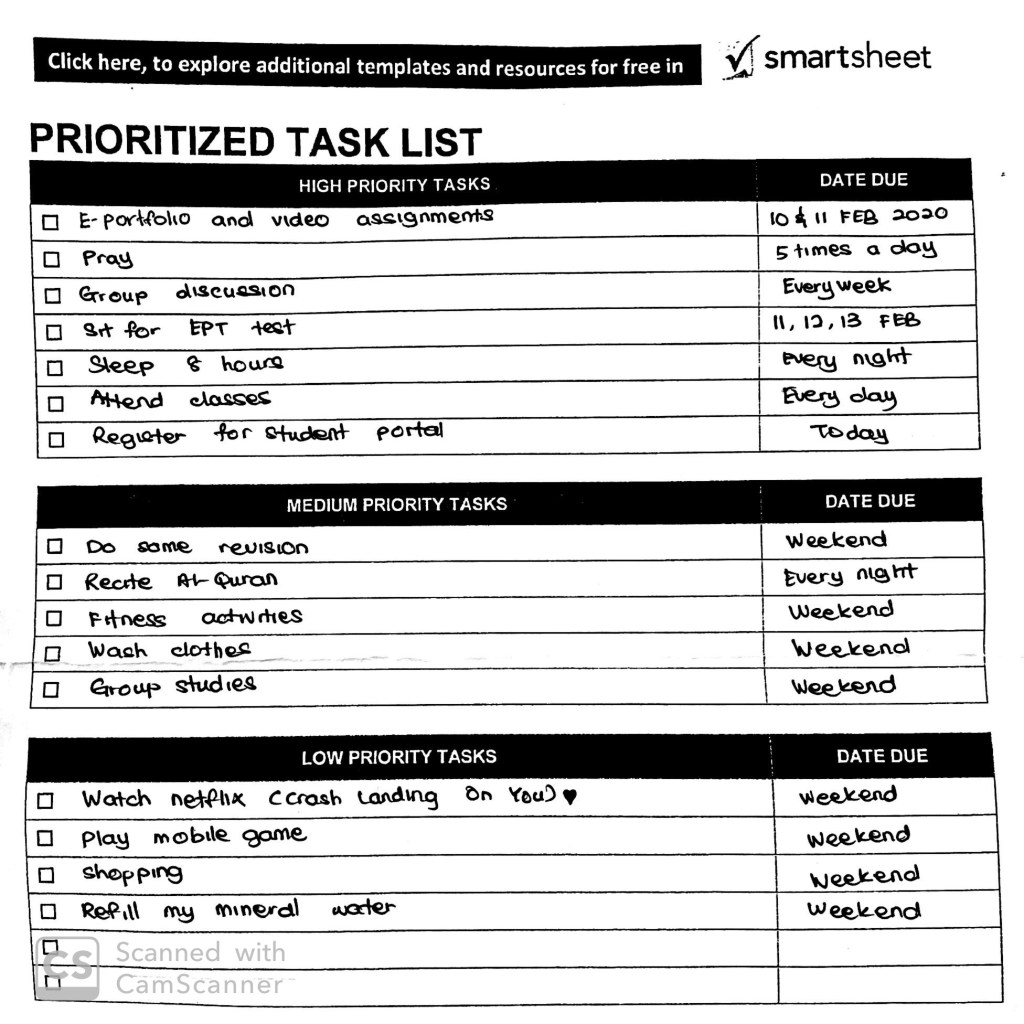
You’re making your way through your life and managing to get the important stuff done. You work, you do laundry, you eat but you can’t ever seem to get ahead. Are you really getting everything you should out of the hours that you’re awake? One simple way to improve your productivity is to keep an agenda, whether by hand or via a day by day to-do list. It is important to have your very own prioritized task list!
My Prioritized Task List (To-do list)
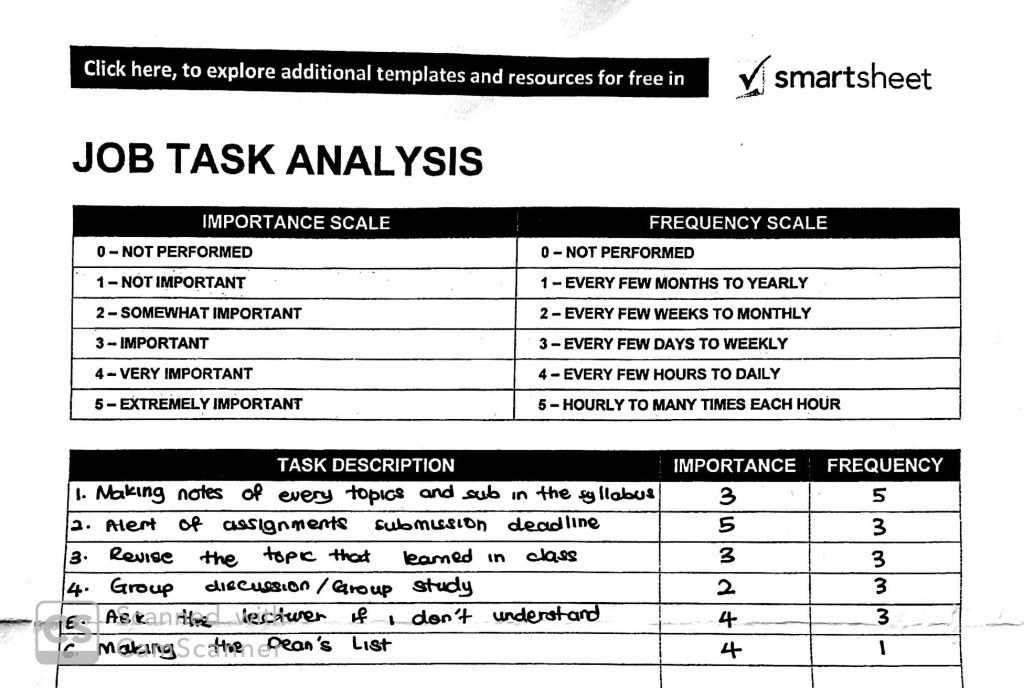
Job Task Analysis
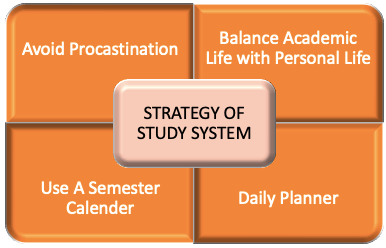
Strategies To Develop A Successful System Of Study
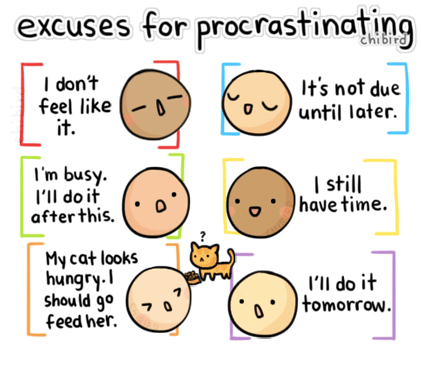
What Is Procrastination? Why We Do & How To Overcome It?
Procrastination is to delay doing something that you ought to do until a future time.
Why do we procrastinate?
- Don’t know where to start
- To avoid an unpleasant task
- Afraid of failure
- Waiting for more information
- Making excuses
- Don’t have daily to-do list
3 Ways To Overcome Procrastination :-
- Do the hard tasks first – Doing the hard tasks while your brain is still fresh means you are less likely to give up on them/procrastinate.
- Believe in your ability – You can do it! just implement the skills and strategies you have learnt to self-regulate.
- Manage your environment – Control it, don’t let it control you. Get rid of distractions especially that lovely phone of yours 🙈
Benefits Of Being Organised :-
✔To gain a sense of control.
✔To reduce your stress level.
✔To gain energy and calm from your space.
✔To make better use of your talents and skills.
✔To have more time to spend on what’s important to you.
TOPIC 4 : GETTING TO KNOW THE CAMPUS
In this topic, I chose 5 interesting places that available in this campus. All the places below have their own functions and role for students to utilize it.
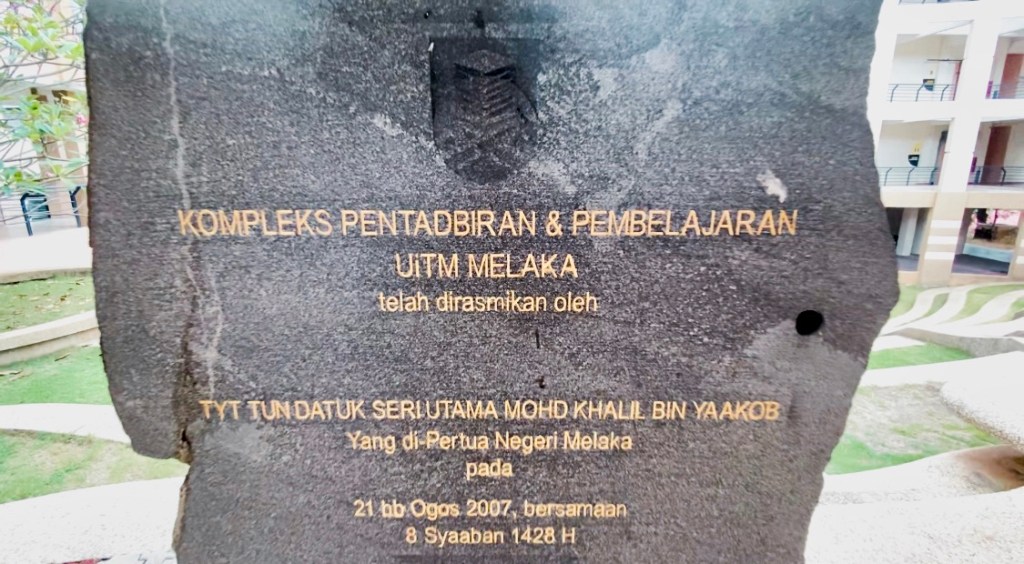
Kompleks Pentadbiran & Pembelajaran
HEA (Pejabat Hal Ehwal Akademik)
The main function of HEA is manage student enrollment , examinations , course schedule and student records and more. HEA also offer service which is Application for Credit Exemption , Application for Addition / Abortion Course and Application for Appeal Forward for more information we can get it from UITM portal.
- Prof. Madya Dr. Ismadi Bin Md Badarudin – Timbalan Rektor HEA (Phone: 065582004)
- Intanzahira Binti Roslan – Pembantu Operasi (Phone: 06-5582787)
HEP (Pejabat Hal Ehwal Pelajar)
More over , Assisting UiTM students in terms of welfare, comfort and security as well as coordinating financial and scholarship affairs. Establish a special fund such as Student Welfare Fund, Student Emergency Fund, and Student Curriculum Fund. Lastly, they Provides lodging / college facilities.
- Ahmad Khairuman Bin Md Hasim – Timbalan Rektor HEP (Phone: 065582006)
- Faizal Bin Mohammad Abdullah – Pembantu Operasi (Phone: 065582033)
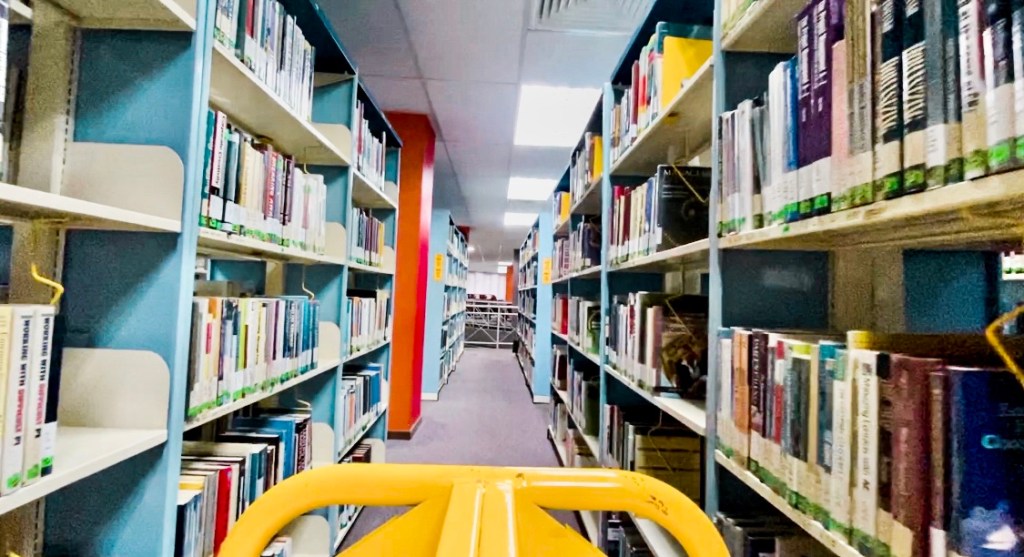
Library (Perpustakaan)
Providing printing service, scanning, internet service and more.
- Rozaimah Mat Sidek – Timbalan Ketua Pustakawan (Phone : 065582078)
- Mohd Zamri Jamil – Pembantu Operasi (Phone : 065582087)
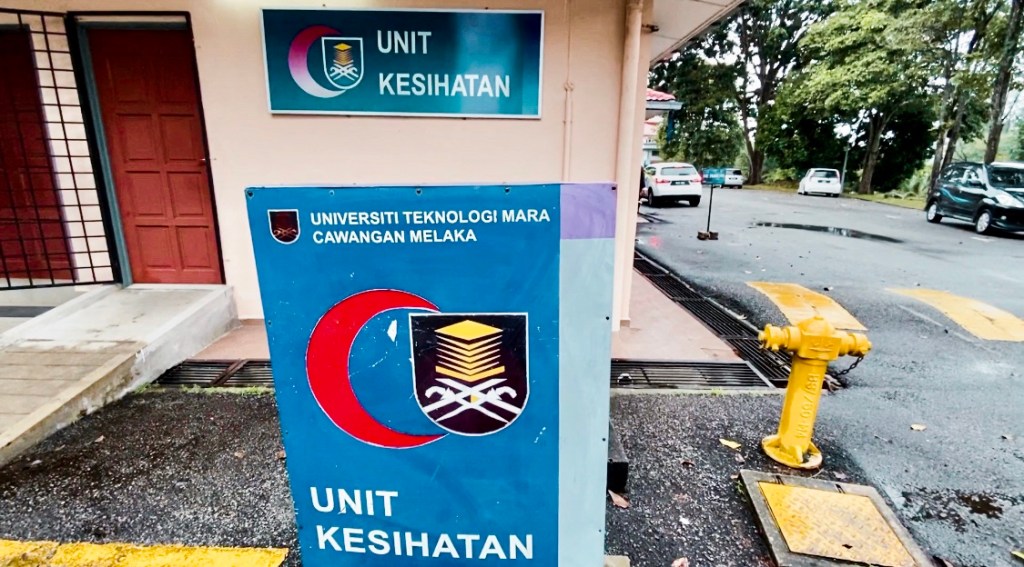
Unit Kesihatan
Provide certain medical check-up, medicine, consultation etc. Everything is free of charge (FOC)!
- Dr Yusri Bin Salleh – Pegawai Perubatan (Phone: 065582061)
- Hasnul Hadi Bin Hashsim – Pembantu Perawatan Kesihatan (Phone: 065582063)

Unit Sukan
Providing sports equipment services.
- Mohd Tarmizi Bin Mahmud – Pegawai Sukan (Phone: 065582038)
- Mohd Azaley Bin Mahat – Pembantu Awam (Phone: 065582048)
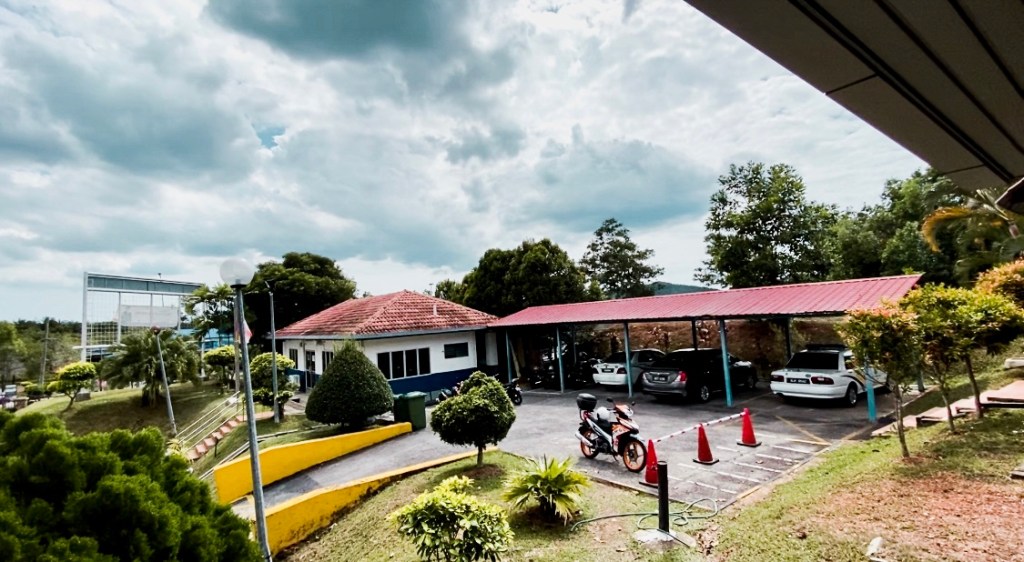
Pejabat Polis Bantuan
Function of ‘Polis Bantuan’ Patrolling Duty are patrolled the area to all the buildings on campus and Ensure that students follow UiTM’s college rules and regulations.
- Seksyen Tadbir (Phone: +606-5582867/2069/2070)
- Seksyen Operasi (Phone: +606-5582384/2069/2067)
- Seksyen Trafik (Phone: +606-5582066)
- Seksyen Siasatan (Phone: +606-5582342)
TOPIC 5 : Memory, Learning & Improving Concentration
What is Memory? Memory is the faculty of the brain by which data or information is encoded, stored,and retrieved when needed. It is the retention of information over time for the purpose of influencing future action.
Memory plays a big role in our life. Without memory we don’t have any knowledge. Memory allows us to remember skills that we have learned.
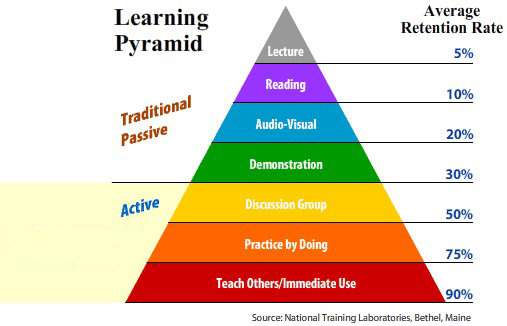
Based on the Learning Pyramid above, you will only get 5% by lecture, 10% by reading, 20% by Audio-Visual, 30% by Demostration, 50% by discussion (Group), 75% by practice doing and 90% by teaching others.
Types Of Memory :–
- Short Term Memory (STM) – is the capacity for holding, but not manipulating, a small amount ofinformation in mind in an active, readily available state for a short period of time.
- Long Term Memory (LTM) – memory that involves the storage and recall of information over a long period of time.
- Sensory Memory (SM) – It is the ability to retain impressions of sensory information after the original stimuli have ended. It acts as a kind of buffer for stimuli received through the five senses of sight, hearing, smell, taste and touch, which are retained accurately, but very briefly.
What is Memory Strategies?
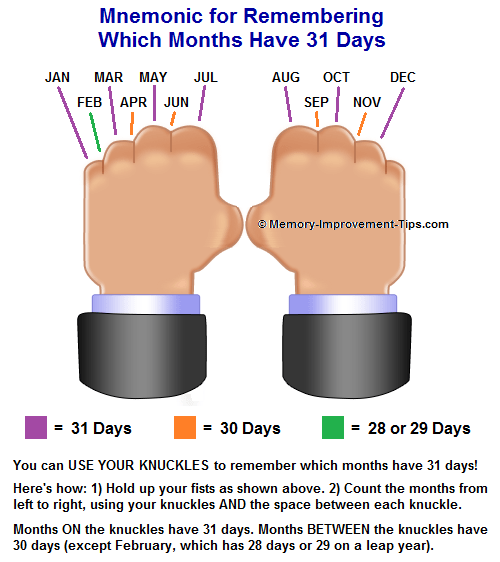
Memory Strategies are techniques that can be used to learn and retain new knowledge. Essentially, these are ‘tricks’ that can be used to increase the ability to remember and recall information. Some of these include understanding, use of mnemonics (the study and development of systems for improving and assisting the memory), outlining important points, acronyms, and chunking (break information into small chunk)
Example For Mnemonics :-
Examples For Acronyms :-
UiTM – Universiti Teknologi MARA
FK&PM – Fakulti Komunikasi Dan Pengajian Media
Causes And Strategies To Improve Concentration
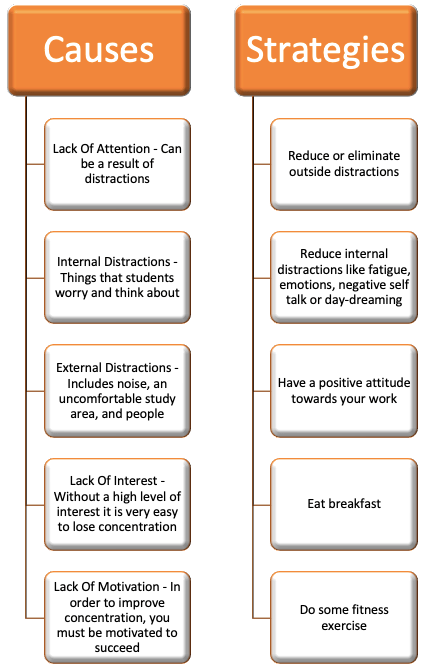
Concentration is also important in our life. Concentrate is focus one’s attention or mental effort on a particular object or activity. You may observe and try to understand the causes and strategies to improve concentration on the chart below.
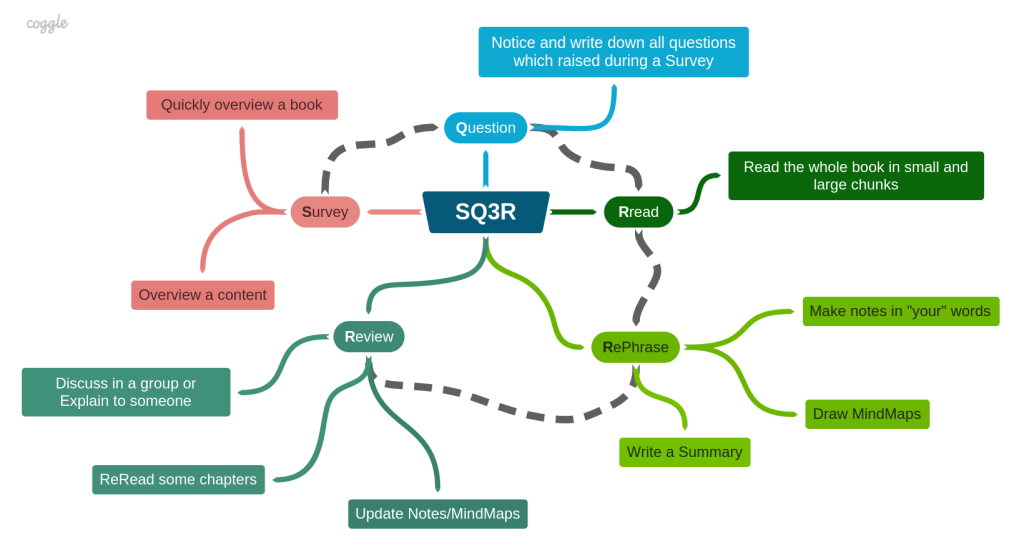
SQRRR or SQ3R is a reading comprehension method named for its five steps : survey, question, read, recite, and review.
TOPIC 6 : TAKING LECTURE NOTES
What Is Note-Taking? Note taking is the practice of writing down pieces of information in a systematic way (reading in your own words).
Note-Taking Strategies :-
- Separate and label the notes for each class
Start a new set of notes for each day, clearly separated from the day before because it makes your notes easier to study.
- Develop your own set of symbols. Use them to identify or emphasize various items in your notes. Circles, underlines, or other symbols that will be meaningful to you.
- Include pictures, diagrams and other visuals
Copying diagrams or other visuals helps you to understand concepts later. We tend to think in terms of pictures.
Note-Taking Methods :-
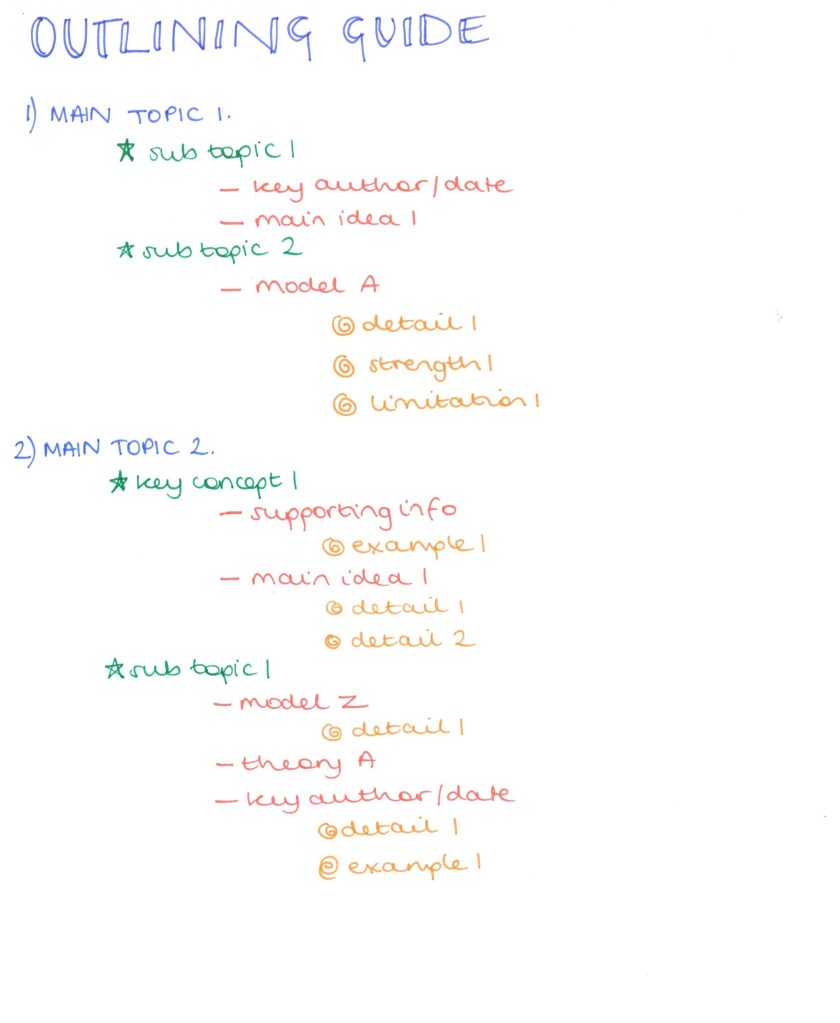
- The Outlining Method – The Outline method is one of the best and most popular note-taking methods for college students. It lets you organize your notes in a structured form, helping you save a lot of time for further reviewing and editing.
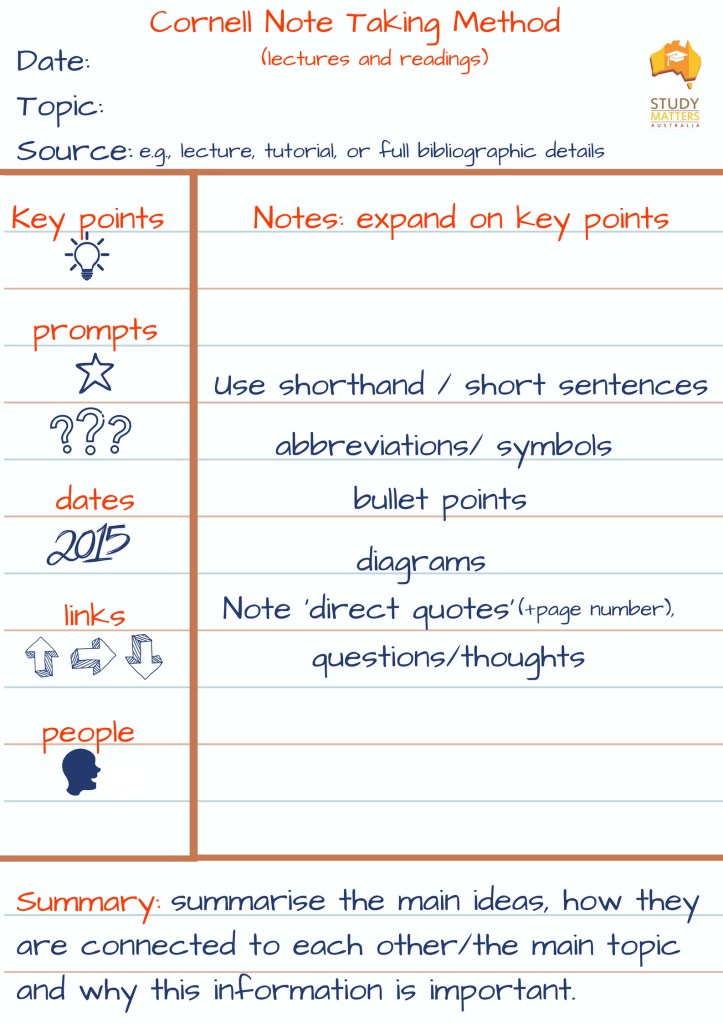
2. The Cornell Method – The page is divided into three or four sections starting from one row at the top for title and date (optional) and one at the bottom along with two columns in the center. 30% of width should be kept in the left column while the remaining 70% for the right column.
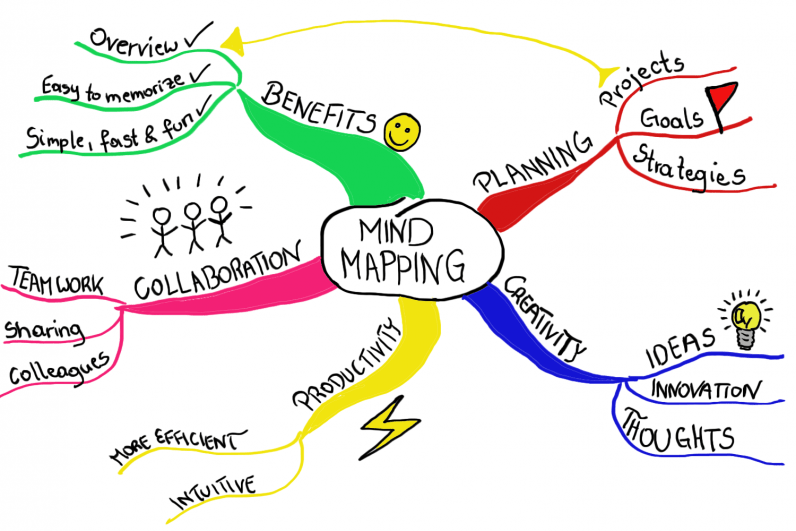
3. The Mind-Mapping Method – It helps organize your notes by dividing them into branches, enabling you to establish relationships between the topics. Start with writing the main topic at the top of the map. Keep dividing it into subtopics on the left and right as you go down.
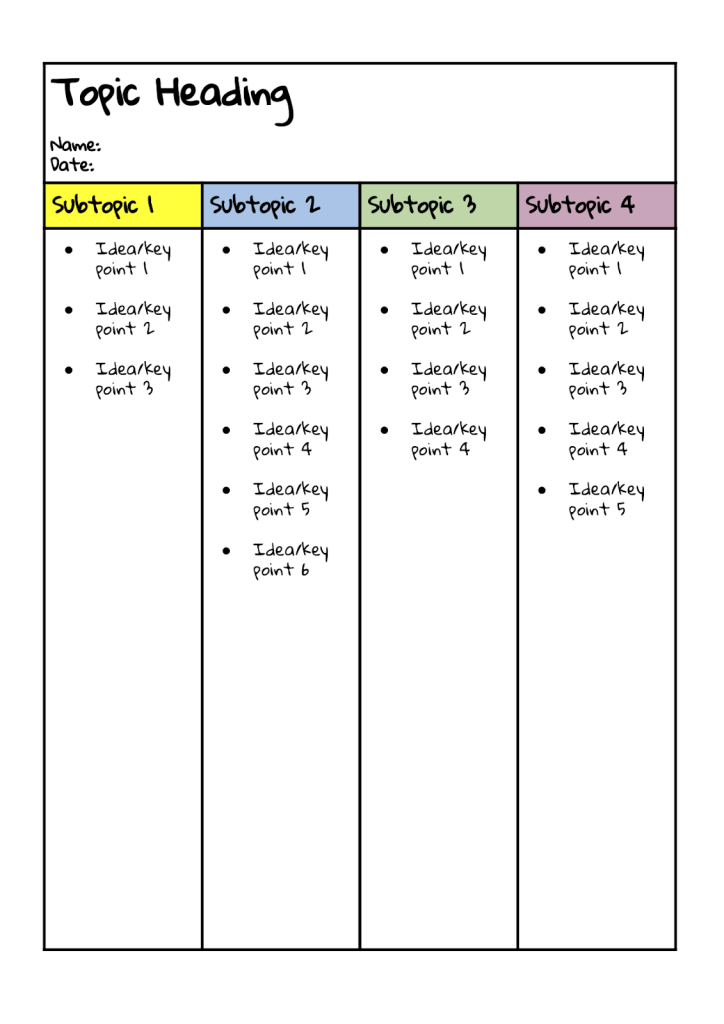
4. The Charting Method – It is an ideal method for notes that involve a lot of information in the form of facts and statistics, that need to be learned by heart. The information will be organized in several columns, similar to a table or spreadsheet. Each column represents a unique category which makes the rows easily comparable.
TOPIC 7 : ACADEMIC INTEGRITY & PERFORMANCE
What Is Plagiarism? Plagiarism is the practice of taking someone else’s work or ideas and passing them off as one’s own.
Plagiarism is morally wrong for two reasons :-
- It is unethical because it is a form of theft. By taking the ideas and words of others and pretending that they are your own, you are stealing someone else’s intellectual property.
- It is dishonest and a form of lying. When you claim to have created something which in reality you simply copied from someone else, you are lying.
But Why? One of the reasons why people plagiarize is that they cannot put up with tough situations and will intentionally commit plagiarism when there is a low chance of being caught. Traditionally, these people lack management skills and self-discipline.
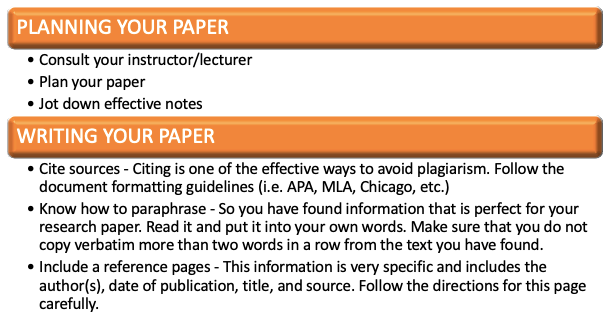
Ways To Avoid Plagiarism :-
GPA Worksheet
Is GPA & CGPA Are Same? Let’s find out the meaning of GPA & CGPA!
GPA stands for grade point average, and it is the average of the grades obtained by a student in a semester or simply a term of studies in various courses that he/she has taken. This GPA reflects the achievement level of the student and reflects his scholastic abilities allowing teachers to judge his/her performance.
CGPA stand for cumulative grade point average. It is the mean of the GPA of a student that he/she has obtained in college or university, in the courses that he/she has taken.
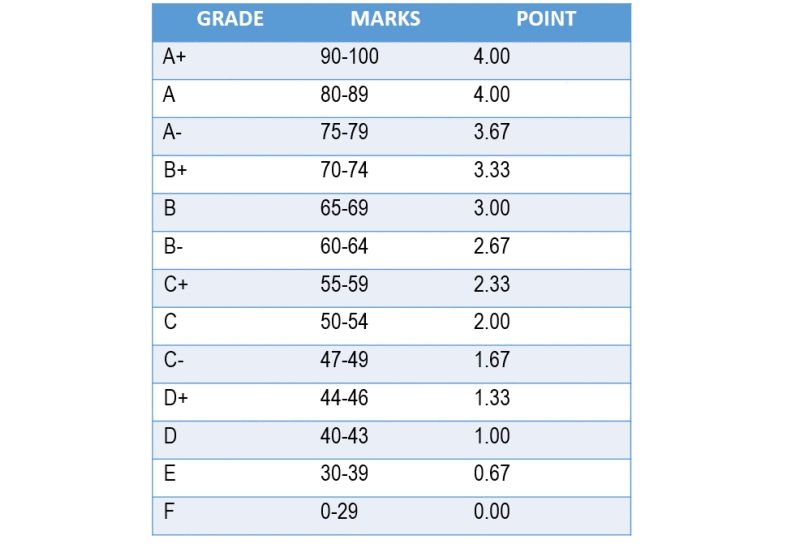
How To Calculate GPA & CGPA :-
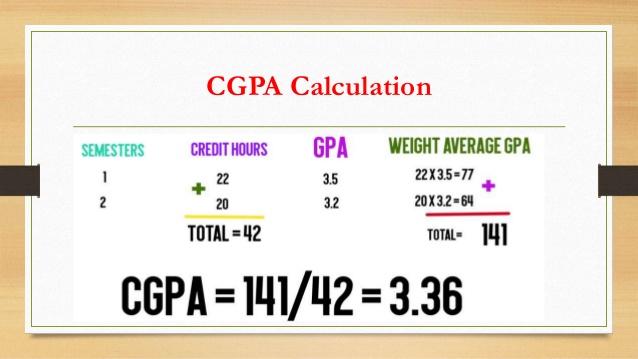
CGPA Calculation
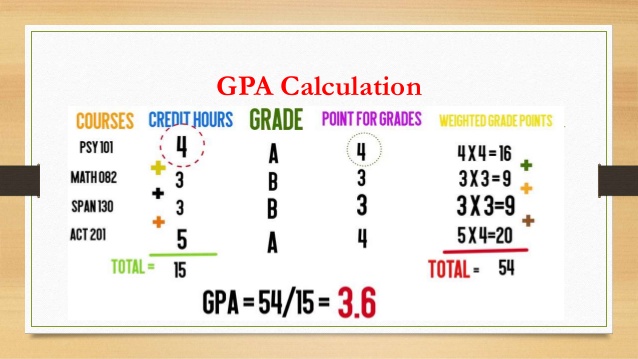
GPA Calculation
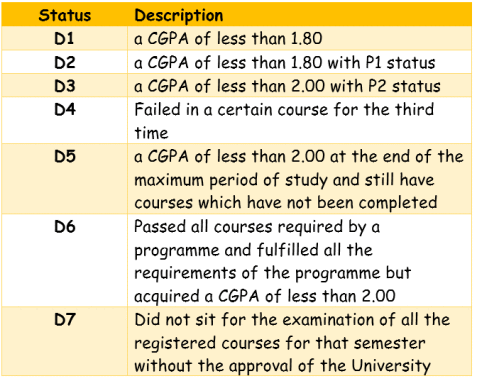
Failure And Dismissal :-
CONCLUSION
That is the end of my e-Portfolio regarding UED102 – Study Skills. I want to thank my lecturer, Dr. Norena Abdul Karim Zamri for guiding me throughout this e-Portfolio. I learned a lot during this process especially on how to manage my time wisely and to always work harder on everything i do. Thank you for your time! May God bless us all 🙂
 Anisah Hishamuddin